
Why is Vitamin C so important for us?
Vitamin C, also known as ascorbic acid, is a water-soluble vitamin that plays a crucial role in many functions of the body. It is essential for the growth and repair of tissues, the formation of collagen, and the absorption of iron. Vitamin C is also a powerful antioxidant and helps to boost the immune system. In this article, we will explore the many benefits of Vitamin C and why it is so important for our overall health and wellbeing.

Collagen production
One of the primary functions of Vitamin C is the production of collagen. Collagen is a protein that is essential for the growth and repair of tissues throughout the body, including the skin, bones, and cartilage. Without sufficient Vitamin C, the body is unable to produce enough collagen, which can lead to a range of health problems.
For example, a deficiency in Vitamin C can lead to scurvy, a disease that causes weakness, fatigue, and muscle and joint pain. In severe cases, scurvy can lead to anemia, skin rashes, and even death. However, even a mild deficiency in Vitamin C can lead to slower wound healing, weaker bones, and a higher risk of infections.
Immune system boost
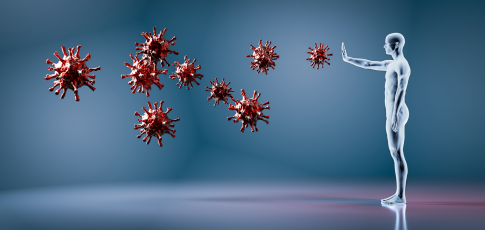
Another important function of Vitamin C is to boost the immune system. Vitamin C stimulates the production of white blood cells, which are essential for fighting off infections and other harmful pathogens. It also helps to increase the production of antibodies, which are proteins that help to identify and destroy foreign invaders.
Research has shown that Vitamin C can be effective in reducing the severity and duration of the common cold. In a study published in the Cochrane Database of Systematic Reviews, researchers found that taking Vitamin C supplements can reduce the duration of cold symptoms by up to 8% in adults and 14% in children. However, it is important to note that Vitamin C is not a cure for the common cold, and it is still important to practice good hygiene and get plenty of rest and fluids to help speed up recovery.
Antioxidant properties
Vitamin C is also a powerful antioxidant, which means that it helps to protect the body against free radicals. Free radicals are unstable molecules that can cause damage to cells and DNA, leading to aging, cancer, and other diseases. Vitamin C helps to neutralize free radicals, reducing their harmful effects and protecting the body against damage.
In addition, Vitamin C helps to regenerate other antioxidants in the body, such as Vitamin E. This means that it helps to keep the body’s antioxidant defenses strong and effective, reducing the risk of oxidative stress and other health problems.
Iron absorption
Finally, Vitamin C plays an important role in the absorption of iron from plant-based foods. Iron is essential for the production of hemoglobin, a protein that carries oxygen throughout the body. However, iron from plant-based sources, such as spinach and beans, is not as easily absorbed as iron from animal sources.
Vitamin C helps to enhance the absorption of iron from plant-based foods by converting it to a form that is more easily absorbed by the body. This is especially important for vegetarians and vegans, who may have a higher risk of iron deficiency anemia.
One of the main functions of vitamin C is to help our bodies absorb iron from plant-based sources. Iron is a vital nutrient that our bodies need to produce hemoglobin, a protein found in red blood cells that helps transport oxygen throughout the body. Without enough iron, we can develop iron-deficiency anemia, which can lead to fatigue, weakness, and other health
problems. Vitamin C helps our bodies absorb iron more efficiently, making it an important nutrient for vegetarians, vegans, and anyone who doesn’t consume a lot of meat.
Another important function of vitamin C is to support our immune system. It plays a key role in the production of white blood cells, which are responsible for fighting off infections and illnesses. Vitamin C also helps protect our cells from damage caused by harmful molecules called free radicals. These molecules can damage our DNA and other important components of our cells, leading to disease and premature aging. By neutralizing free radicals, vitamin C can help protect our immune system and keep us health.
In addition to its immune-boosting properties, vitamin C is also important for healthy skin. It plays a key role in the production of collagen, a protein that gives our skin its structure and elasticity. Without enough collagen, our skin can become dry, dull, and prone to wrinkles. Vitamin C also helps protect our skin from damage caused by UV rays, pollution, and other environmental factors. By promoting collagen production and protecting our skin from damage, vitamin C can help us maintain a healthy, youthful complexion.
Beyond its benefits for our immune system and skin, vitamin C has been linked to a range of other health benefits. Some studies suggest that vitamin C may help lower the risk of heart disease by reducing inflammation and improving cholesterol levels. It may also help lower blood pressure, boost brain function, and reduce the risk of certain types of cancer.
Despite its many benefits, it’s important to remember that vitamin C is not a cure-all. While it can help support our immune system and overall health, it’s just one piece of the puzzle when it comes to a healthy lifestyle. Eating a balanced diet rich in fruits and vegetables, getting regular exercise, and getting enough sleep are all important factors in maintaining good health.
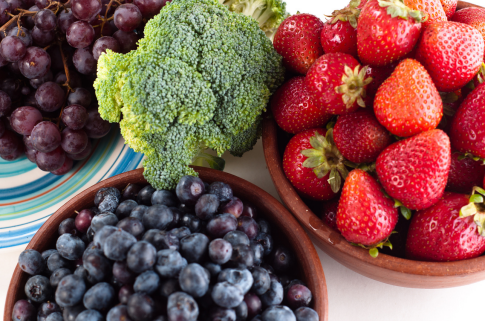
In conclusion, vitamin C is an essential nutrient that plays a vital role in our overall health and wellbeing. From supporting our immune system to promoting healthy skin, it offers a range of benefits that make it an important part of any healthy diet. By eating a balanced diet rich in fruits and vegetables, we can ensure that we’re getting enough vitamin C to support our health and vitality.

No comments:
Post a Comment